
You Will See Darkness
The Michigan Senate Primary

This past weekend, a new Emerson College poll of the Michigan Democratic Senate Primary showed a close race between the three major candidates. Based on responses from almost 500 likely voters, State Senator Mallory McMorrow was in the lead, being the to pick of 22% of respondents. Congresswoman Haley Stevens came in second at 17%, and Dr. Abdul El-Sayed was in third place at 16%, with 38% of voters saying they were still undecided. With margins this close and a large chunk of voters still undecided, it’s anyone’s game at this point.
But not everyone thinks that’s a good thing.
According to a recent article in Politico, the lack of a frontrunner is causing some Democrats to become nervous. They’re concerned that an extended contest, which wouldn’t be decided until the August primary, will leave the party divided ahead of the general election. In some respects, this anxiety makes sense. Michigan Democrats aren’t used to having real primaries for these marquee statewide races. In all of the other open contests for Governor and Senate over the past decade, there hasn’t been a close Democratic primary.
-In 2014, the eventual Democratic nominees for US Senate and Governor ran essentially unopposed in their primaries, allowing them to easily advance to the general election.
-In the 2018 gubernatorial primary, Gretchen Whitmer’s front runner status was only ever called into question because of fellow candidate Shri Thanedar and the millions of dollars of his own money he dumped into the primary. (Whitmer would end up getting about 3x as many votes as Thanedar)
-In 2024, it was always pretty clear the Democrats’ Senate nominee was going to be Elissa Slotkin, the congresswoman who represented the Lansing area, and she won her primary by more than 50 points.
-And over the past year, Jocelyn Benson has become the presumptive Democratic nominee for governor with fairly little resistance.
Now, in 2026, they have a three way race in the Democratic senate primary. As of right now, it looks like anyone could win it. Uniting Michigan’s Democratic voters ahead of November’s general election is an important part of the effort to keep this senate seat in Democratic hands. And boy, the Democrats sure are determined to hold this seat! Winning Michigan is key to their hopes of flipping the Senate from red to blue this year. Here’s why:
The Democrats currently hold 47 US Senate seats, and they need 51 to reach a majority. So if the Democrats want to do that, they’ll need to hold seats in Michigan, Georgia, and New Hampshire. They’ll also need to pick up four Republican held seats in other states. It’s an uphill climb as it is, but if the Democrats lose Michigan, then the Republicans are virtually guaranteed to retain control of the Senate. Because of its national significance, I wanted to figure out what’s been going on in this senate race.
Who Are The Candidates?
The race has three major candidates, each are in their own distinct lane:
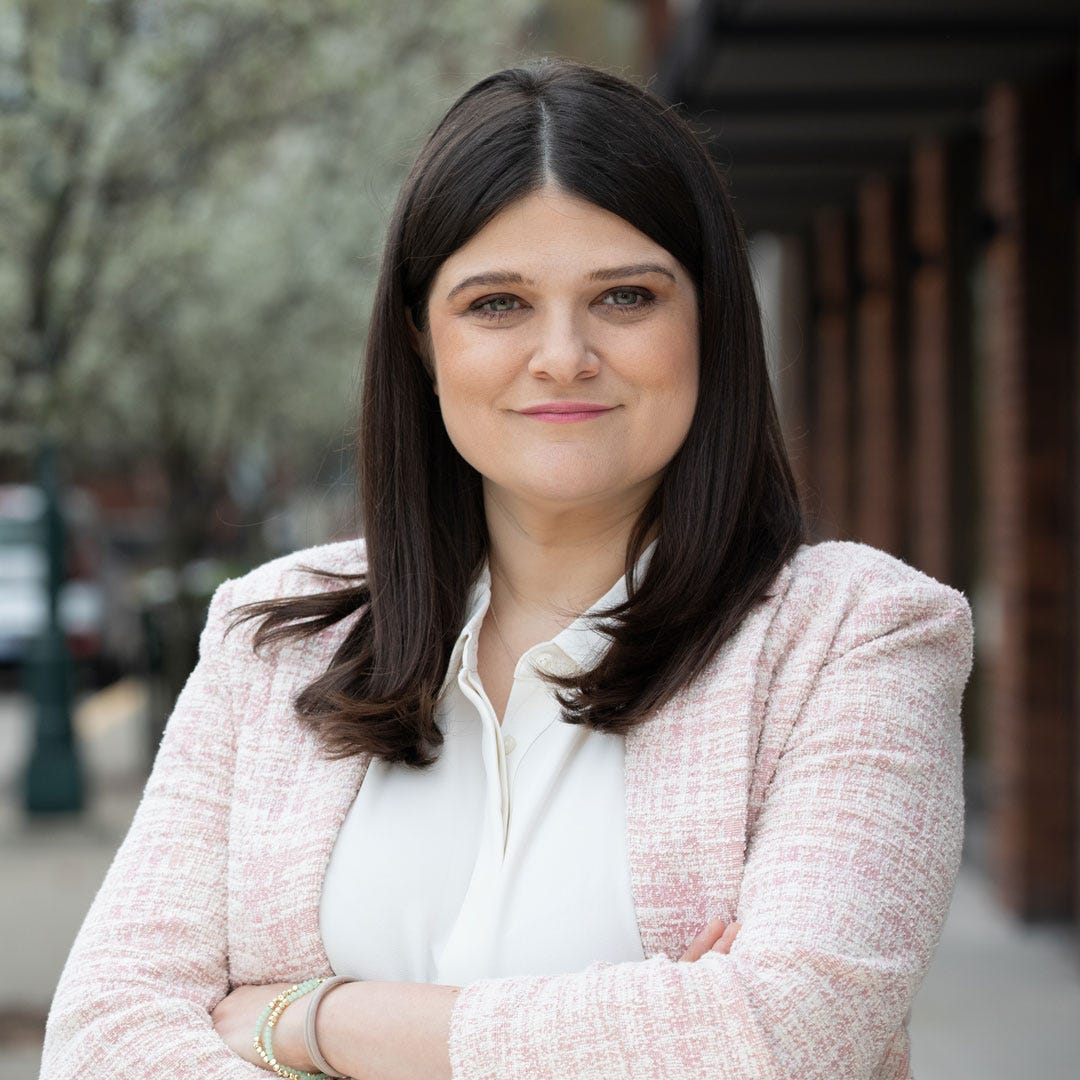
First, we have Haley Stevens. Haley is a moderate congresswoman who has represented parts of the Detroit suburbs since 2019. Haley is reportedly being privately supported by Chuck Schumer and the DSCC, the Democrats’ Senate campaign arm. She is seen as the favorite of pro-Israel groups like AIPAC (American Israel Public Affairs Committee), due to her support of Israel. The 42-year-old establishment candidate is emphasizing her stances on traditional Michigan issues, such as her support for auto manufacturing, in her bid to win the nomination. In her campaign launch video, Haley highlighted her role in President Obama’s Auto Rescue Task Force and noted that, “Michigan has the best workers in the world.”
Despite her centrist disposition, the Republicans will try to plant seeds of doubt in the minds of voters regarding Haley’s moderate sensibilities. They might be able to paint her as a Looney Tunes crazy extremist. That’s because of a video that shows Haley in pink rubber gloves, screaming loudly while giving a speech on the House floor (a speech that was ostensibly supposed to honor healthcare workers during the COVID pandemic, but I’m not so sure it had it’s intended effect). I suspect that Michiganders could hear Haley Stevens screaming: “You will see darkness!” In every commercial break this fall if Haley becomes the Democratic candidate. I embedded the video at the bottom of the newsletter if anyone wants to see it.
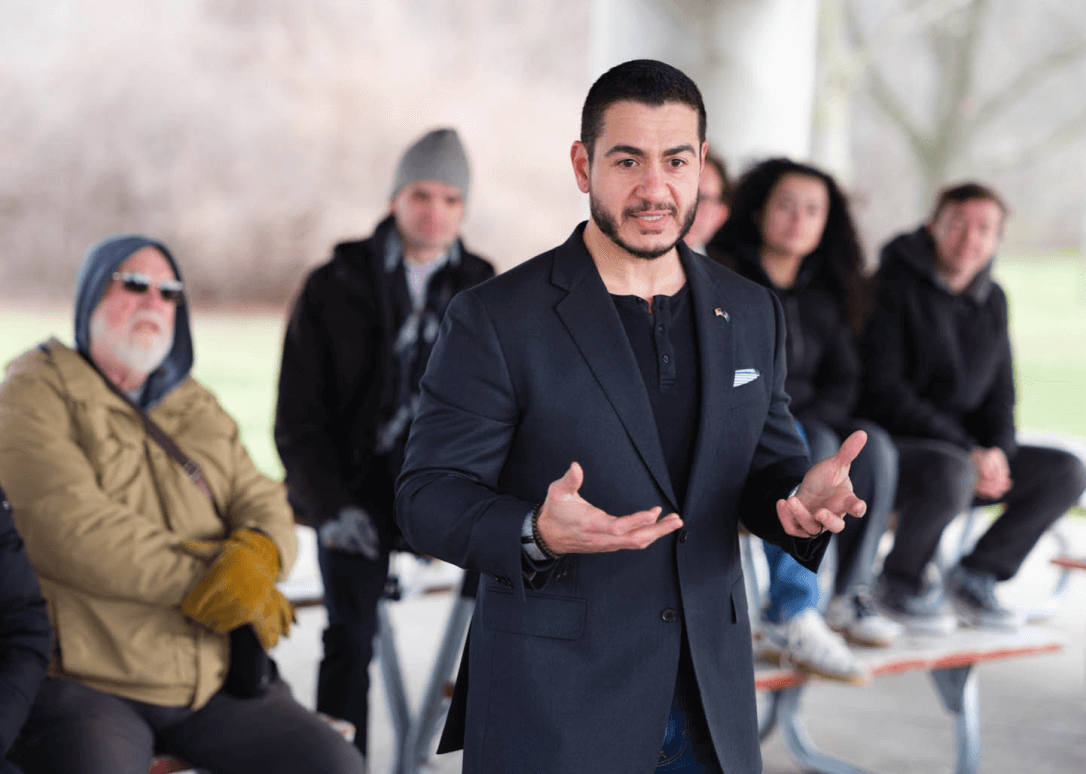
On the other side of the party’s ideological spectrum, there’s Dr. Abdul El-Sayed. Abdul is a 41-year-old progressive who has been endorsed by Bernie Sanders and Michigan Congresswoman Rashida Tlaib. In the past, he was the Health Director for Detroit, and more recently, for Wayne County overall, serving in the latter position from 2023 to 2025. With regards to healthcare policy, Abdul supports Medicare For All, having co-authored a book on the policy proposal. He takes populist stances on economic issues, lamenting the negative effects that trade deals like NAFTA have had on American communities, and making it clear that he supports abolishing medical debt. He is the only candidate in the primary who has called for the abolition of Immigration and Customs Enforcement (ICE).
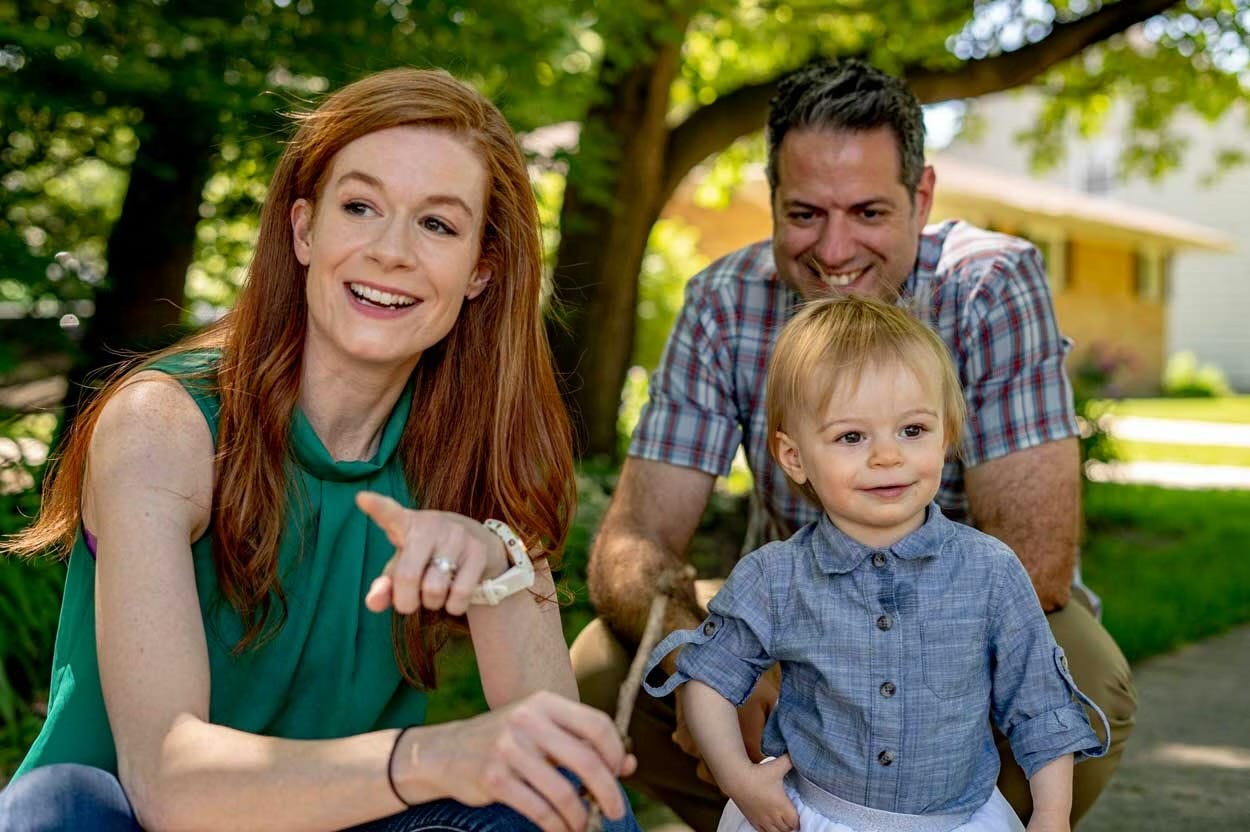
The third and final candidate is 39-year-old Senate Majority Whip Mallory McMorrow, who lands in between Haley and Abdul in terms of ideology. Mallory has represented a section of the Detroit area in the State Senate since 2019. She first garnered national attention when she made her passionate “We Will Not Let Hate Win” speech defending herself against Republican attacks.
Mallory made headlines last year when she made it clear that she would not vote for Chuck Schumer to remain in his leadership position if she is elected to the Senate, a bold stance that distinguishes her from her rivals, neither of whom has committed to either supporting or opposing Schumer’s leadership. She supports a public health insurance option, not Medicare For All, this stance has been something her and Abdul have sparred over. (The enactment of Medicare For All would means that everyone gets government health insurance. A Public Option would mean that people can buy a government health insurance plan if they want it.) One of the things Mallory is running on is her role in the passage of popular legislation in the Michigan Senate. Some examples of these accomplishments include expanding the earned income tax credit as well as guaranteeing free breakfast and lunch for children in Michigan’s public schools.
One of the other major issues that distinguishes these candidates is their positions on Israel’s War in Gaza. Haley is definitely the most Pro-Israel candidate. Abdul is the least. The former won’t call Israel’s post October 7th actions in Gaza a “Genocide”, while the latter says that it is. Mallory falls in between them, having applied the label, seemingly in a reluctant way, last fall.
Who Will Win?
In the end, I believe that Mallory McMorrow will win both the primary and general elections. Even though Haley is being supported by Senate leadership, I don’t really think she can win the primary. Her level of grassroots support is paltry. She’s made it this far in the primary based mostly on name recognition. Her donor base is disproportionately out of state, and she is being carried by large donations to her campaign. In the last quarter of 2024, 46% of individual donations to Mallory’s campaign were considered “small-dollar”, which means they are unitemized donations under $200. But only 14% of individual donations to Haley’s campaign were small dollar. (Abdul’s small-dollar rate was 31%)
Now Here’s the thing about Abdul: He has enthusiastic support from some corners of the party, especially from young, progressive Michiganders, but I don’t believe that his support will amount to more than a fraction of Michigan’s primary electorate. When he ran in the gubernatorial primary eight years ago, back when progressive and Democratic-Socialist candidates were ascendant, he only got 30% of the vote.
Mallory seems to have goodwill from both moderates and progressives. She’s anti-establishment enough to satisfy Democrats yearning for a fighter to shake up the DC status quo (unlike Haley), but also deft enough to not alienate herself from important figures in the party (unlike Abdul, who allegedly has a not-so-great relationship with Gretchen Whitmer). Plus, If either Haley or Abdul drops out, Mallory is the one who stands to benefit the most, as she has positioned herself as a middle of the party candidate.
But who knows? I could be wrong. Maybe Haley’s name ID will be enough to carry her across the finish line. Maybe the progressive base in Michigan is larger than I think it is. Well, I guess there’s only 6 months until we find out. Buckle up! I have a feeling that, absent a game-changing endorsement from either Whitmer or Obama, this primary could get ugly.
It's interesting how you highlight that Michigan Democrats arent used to having real primaries, which perfectly explains the sudden panic.